
An Exhaustive Chronicle of Coffee from its Ancient Discovery to our Modern Obsession
The story of coffee begins in the beautiful highlands of Ethiopia specifically in the old area of Kaffa. A time ago before it was known all around the world the coffee plant grew naturally in the mountains. At first some religious men, in Yemen used coffee to stay awake during their nights of prayer.. Soon coffee spread to special places called coffee houses throughout the Ottoman Empire. These coffee houses were where smart people would meet to talk and share ideas.. This is how coffee changed the way people socialize and think about things.
The Black Tide Rising: Tracing the Centuries-Long Journey of Coffee from Secret Yemeni Gardens to Every Continent on Map
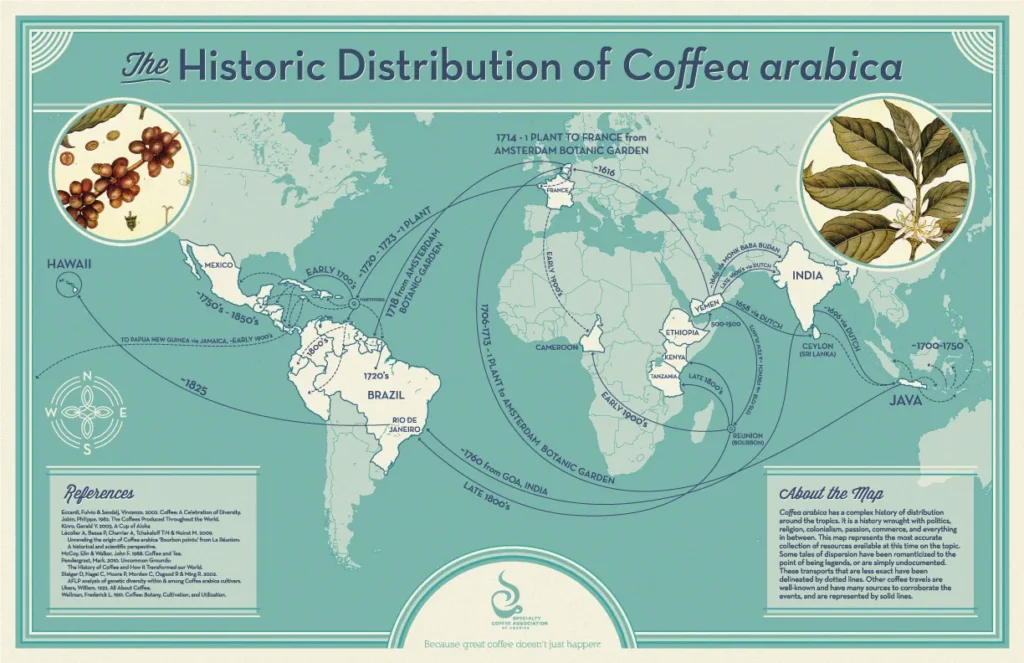
The expansion of espresso is a saga of monopolies, espionage, and colonial ambition. For centuries, the Arabian Peninsula held a complete “black gold” monopoly, strictly prohibiting the export of fertile beans. The spread commenced inside the 17th century whilst a Sufi pilgrim named Baba Budan allegedly smuggled seven seeds out of Mecca to India, whilst Dutch traders correctly snatched seedlings to plant in Java, Indonesia. From there, the “espresso craze” moved like a tide:
Europe: The Dutch gifted an espresso tree to King Louis XIV of France, which finally fueled the Caribbean plantations. The Americas: In 1723, French naval officer Gabriel de Clieu famously shared his restricted water rations with a unmarried coffee plant all through a treacherous voyage to Martinique. That one plant have become the ancestor of thousands and thousands of trees throughout Latin America.
Brazil: Through a chunk of diplomatic flirtation and stealth, a Portuguese officer smuggled seeds from French Guiana in 1727, planting the seeds for Brazil to come to be the world’s biggest producer. By the 19th century, coffee had correctly circumnavigated the globe, remodeling from a rare medicinal curiosity into the arena’s number one industrial fuel.4
The Eastern Awakening: Coffee’s Journey Across Asia and India
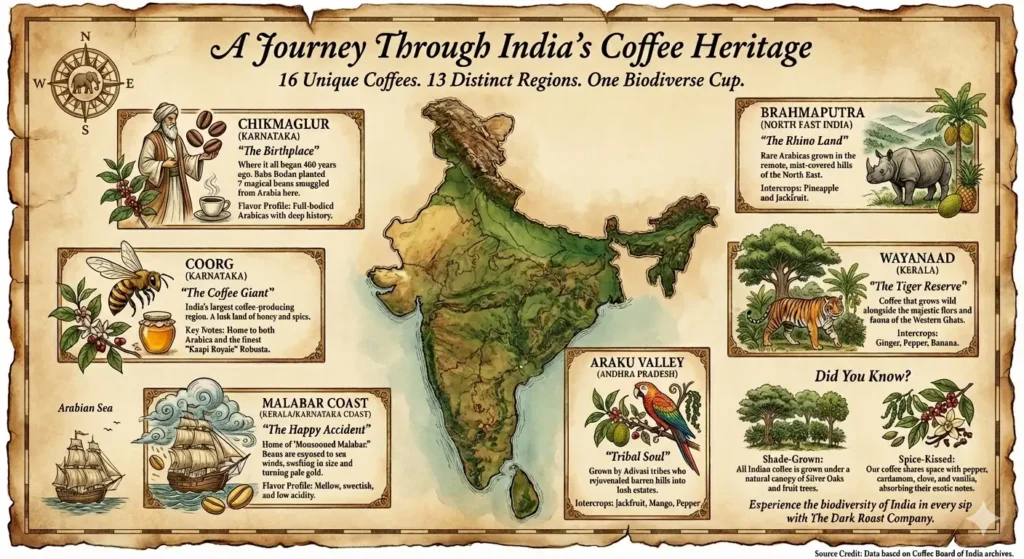
The Eastern Awakening: Coffee’s Journey Across Asia and India The spread of espresso into Asia is a story of spiritual devotion and early industrial approach. While the plant’s roots are African, its transformation into a international powerhouse started out within the East thru two primary channels: Sufi pilgrims and Dutch maritime change.
India: The Seven Seeds of Baba Budan The introduction of espresso to India is one in all records’s maximum famous acts of “pious smuggling.” Around 1670, a Sufi saint named Baba Budan changed into returning from a pilgrimage to Mecca. At the time, the Arabs guarded their espresso monopoly fiercely, exporting best roasted or parboiled beans that could not be germinated. Legend has it that Baba Budan smuggled seven fertile green beans taped to his stomach, planting them within the Chandragiri Hills of Karnataka. These seven seeds flourished, marking the beginning of the Indian coffee enterprise and giving the area—now referred to as Baba Budangiri—its call.
The Lifecycle of a Legend: Tracing the Transformation of the Coffee Plant from a Fragile Seedling to a Global Production Powerhouse
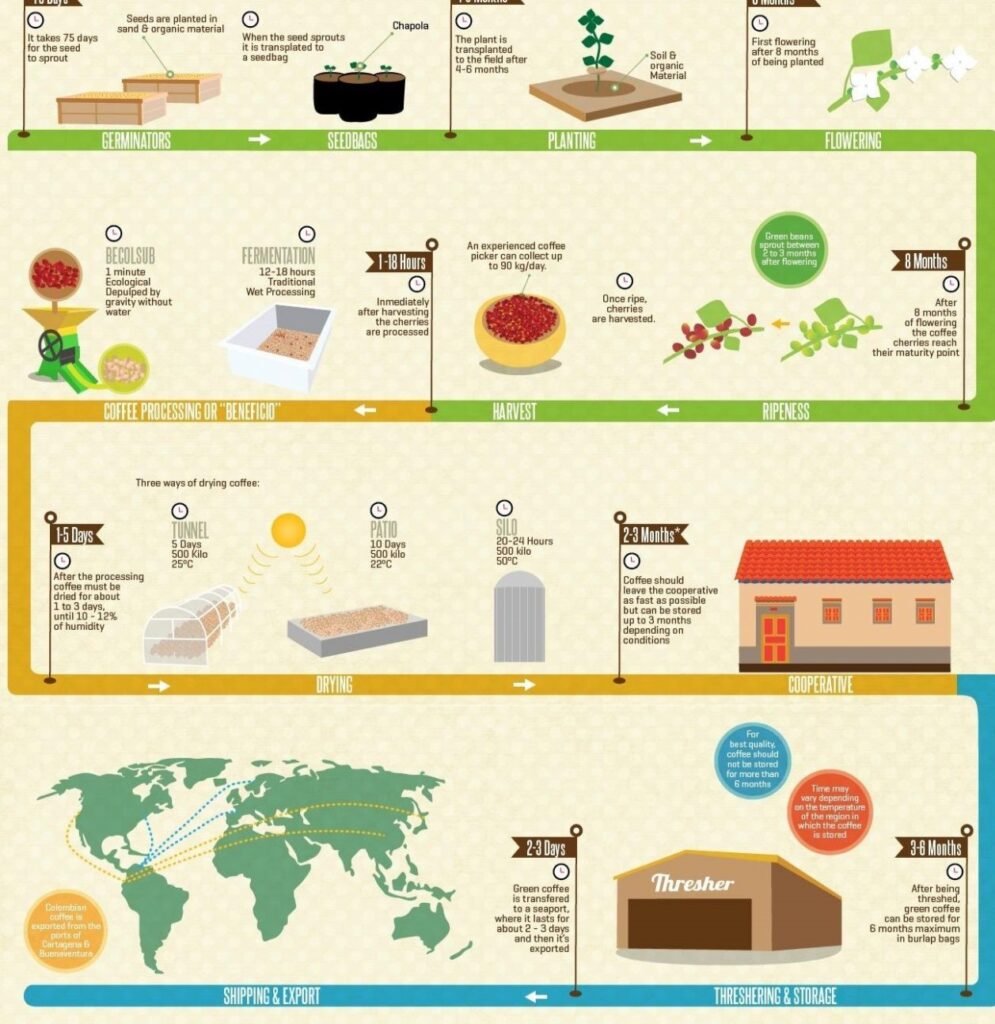
The Lifecycle of Labor: From Plantation Soil to Green Bean Coffee manufacturing is a meticulous agricultural adventure that demands precise environmental conditions and high ranges of human craft. It starts on the plantation, usually placed inside the “Bean Belt”—the equatorial vicinity among the Tropics of Cancer and Capricorn.
The maximum popular species are:
Arabica: Known for its easy, moderate flavor.
Robusta: Stronger, greater bitter, and better in caffeine.
The Production Process Harvesting – Coffee cherries are picked, both by hand or gadget.
Processing – The beans are separated from the fruit using dry or wet methods.
Drying – Beans are dried to reduce moisture.
Milling – The outer layers are eliminated.
Roasting – Beans are roasted to broaden taste.
Grinding and Brewing – Final steps earlier than consumption.
The Global Menu: A Definitive Guide to the World’s Most Beloved Coffee Beverages from Traditional Espresso to Modern Creations
The Two Main Beans Almost all coffee grown globally falls into those classes:
Arabica: The “connoisseur” bean. It grows at excessive altitudes and is loved for its candy, complicated flavors and better acidity. It makes up approximately 60-70% of global production.
Robusta: The “hardy” bean. It grows at decrease altitudes, contains double the caffeine, and has a bitter, earthy taste. It is frequently used in espresso blends for a higher “froth” (crema) and in on the spot coffee.
Common Coffee Drinks Most café liquids use Espresso (a focused shot of espresso) as a base, mixed with extraordinary quantities of water or milk:
Black Coffee: Espresso: A small, extreme shot of natural coffee.
Americano: An coffee shot diluted with warm water to make a full cup.
Filter/Drip: Coffee made by way of letting hot water float through grounds in a paper filter out.

From Bean to Body: A Comprehensive Look at Coffee’s Physiological Effects
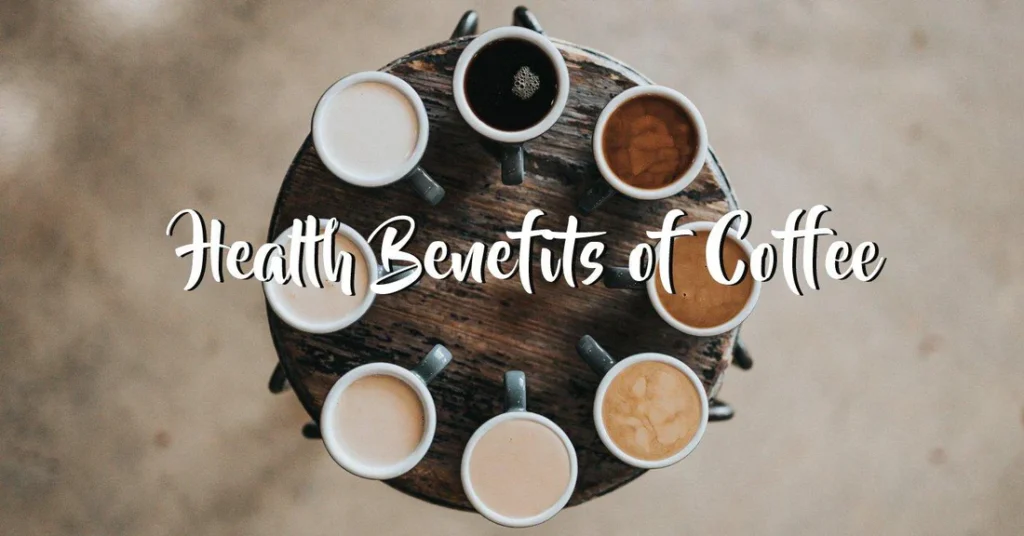
Whether you drink it for the ritual or the caffeine kick, espresso is a good deal greater than only a liquid alarm clock. Beyond its potential to sharpen awareness, it’s miles a complex chemical powerhouse full of antioxidants and bioactive compounds that support long-term fitness. This does not simply wake you up; it improves temper, response time, and trendy cognitive function. Long-time period, everyday consumption is connected to a decrease danger of neurodegenerative illnesses like Alzheimer’s and Parkinson’s.
Metabolic Boost: Coffee can growth your metabolic rate through three% to 11%. It stimulates the worried machine to sign fat cells to break down body fat, making it a herbal resource for weight control and bodily overall performance.
Disease Prevention: Studies advise that espresso drinkers have a drastically decreased danger of Type 2 diabetes and positive sorts of liver disease. It additionally contains excessive degrees of polyphenols, which assist fight infection at some stage in the body.
Longevity: Because of its shielding outcomes towards numerous continual conditions, huge-scale observational research have regularly located a correlation among moderate coffee consumption and a longer lifespan.
The Global Grind: A History of Coffee and the Societies it Built
Coffee is a ways greater than a morning addiction; it is a social lubricant that has formed the way people interact for centuries. From the seventeenth-century “Penny Universities” of London to the cutting-edge-day “Third Wave” strong point stores, espresso has usually been the backdrop for intellectual alternate and community constructing. Here is a look at how espresso weaves through the fabric of society:
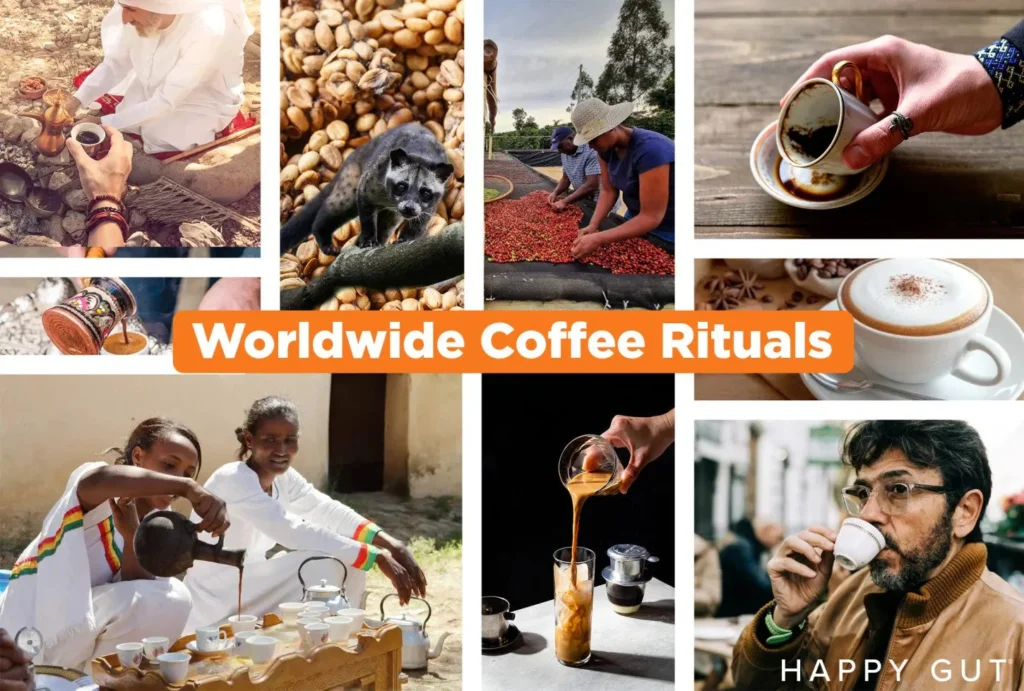
The Global Social Hub: Across the arena, espresso serves as an invitation. Whether it’s the fika in Sweden, the traditional rite in Ethiopia, or the bustling espresso bars of Italy, the act of “getting coffee” is an ordinary shorthand for connection and conversation.
A Catalyst for Ideas: Historically, coffee houses were referred to as “cradles of democracy” and facilities of innovation. By replacing the alcohol-heavy way of life of the beyond with a caffeine-fuelled environment, coffee shifted the social focus toward alertness, debate, and enterprise.
Ritual and Tradition: Every tradition has a completely unique “signature” on the bean.
The Modern “Third Space”: Today, espresso stores act as a important “third area”—a place outdoor of home and work where human beings may be on my own together. It is a safe haven for the virtual nomad, a meeting floor for first dates, and a sanctuary for artists.
The Essence: To examine espresso lifestyle is to look at the records of ways we collect. It’s a drink that fuels our hard work, but extra importantly, it is a drink that fuels our relationships.
The Fair Trade Filter: Economics, Ethics, and the Coffee Farmer
Coffee is one of the traded things that farmers grow in the world and people often call it “Black Gold” because it is very valuable. The coffee business helps over 100 million people around the world make a living from farmers in the “Coffee Belt” to fancy coffee makers in big cities. Here is a look at what makes the coffee business work:
The Global Value Chain: Getting coffee from a seed to a cup is an complicated process that involves many people, including farmers, sellers, coffee roasters and stores. When people in countries pay five dollars for a latte the farmers who grow the coffee usually get only a little bit of that money because they have to pay a lot to take care of their farms and deal with bad weather.
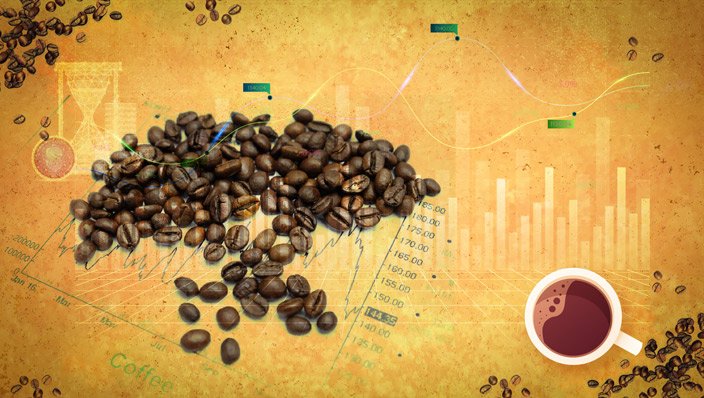
The “C” Market: Coffee is a thing that people trade on the market and the prices can change a lot. What happens with the weather in Brazil which’s the biggest coffee producer and what happens with money and politics in coffee-growing areas can all affect the price of coffee.
The Specialty Shift: The way people think about coffee is changing now. Many people want high-quality coffee of just any coffee. This is what they call the “Third Wave” of coffee. When coffee roasters buy coffee directly from farmers they can track where the coffee comes from. This means they can pay the farmers money for better coffee. The coffee roasters can pay the farmers for the high-quality coffee.
Economic Impact of the “Coffee Break”: Coffee is not a business. It also helps people work better. Coffee gives people energy around the world. Coffee shops have become places for jobs and businesses in cities. Many people go to coffee shops to work and to meet with others.
From Beans to Brilliance: A Guide to Home Brewing Excellence
Achieving the suitable cup of espresso is a profitable blend of chemistry and craft. It moves beyond really “making espresso” into the area of extraction management, in which small tweaks on your method can display hidden taste notes like chocolate, fruit, or toasted nuts.
The Water Standard: Since coffee is kind of ninety eight% water, its fine matters. Use filtered water to avoid the “chemical” taste of chlorine, and aim for a temperature between 90°C and 96°C. Water this is boiling warm will “burn” the grounds, ensuing in a sour, ashy flavor.
Match the Grind to the Method: The “length” of your espresso grounds ought to in shape how lengthy they take a seat inside the water. Use a coarse grind for long-steeping strategies like the French Press, and a pleasant grind for brief, high-strain techniques like Espresso.
Barista Secret: Always rinse your paper filter out with hot water before including the espresso grounds. This removes any “papery” flavor and pre-warms your brewing vessel, keeping your espresso at the appropriate temperature for longer.
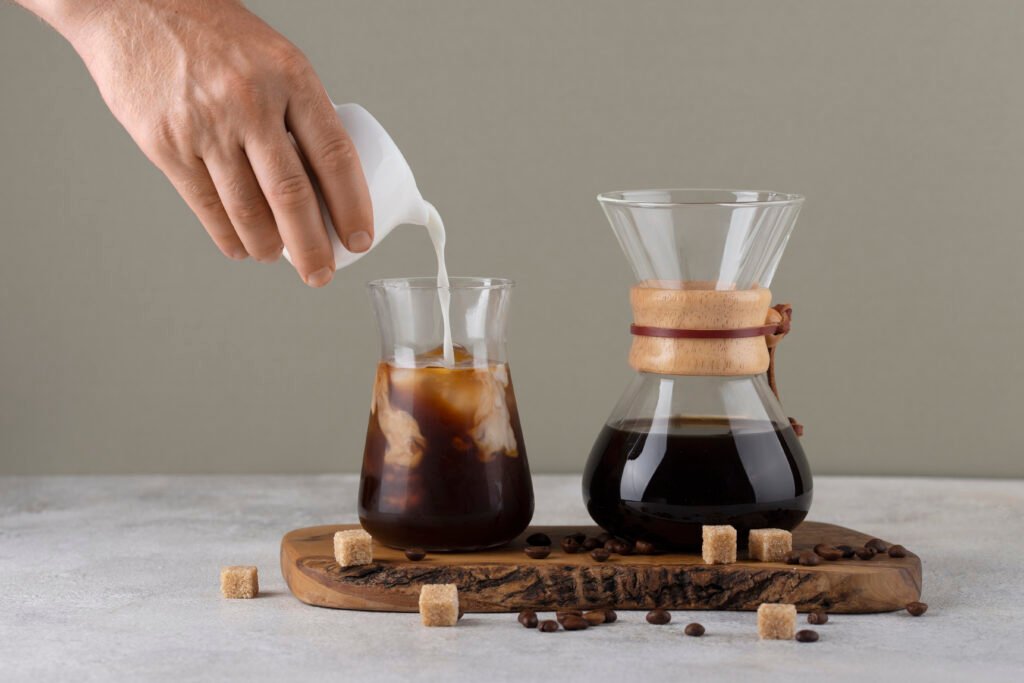
Conclusion:
Coffee’s adventure from a wild Ethiopian plant to a international phenomenon is not anything quick of outstanding. It has shaped cultures, economies, and each day workouts internationally. Beyond its wealthy taste and energizing consequences, coffee represents connection, tradition, and innovation. When enjoyed mindfully, espresso may be each a lovely indulgence and a beneficial addition to a healthful way of life. Whether you decide upon a robust espresso, a creamy latte, or a clean bloodless brew, coffee gives some thing for anyone—making it simply one of the global’s maximum beloved liquids.